















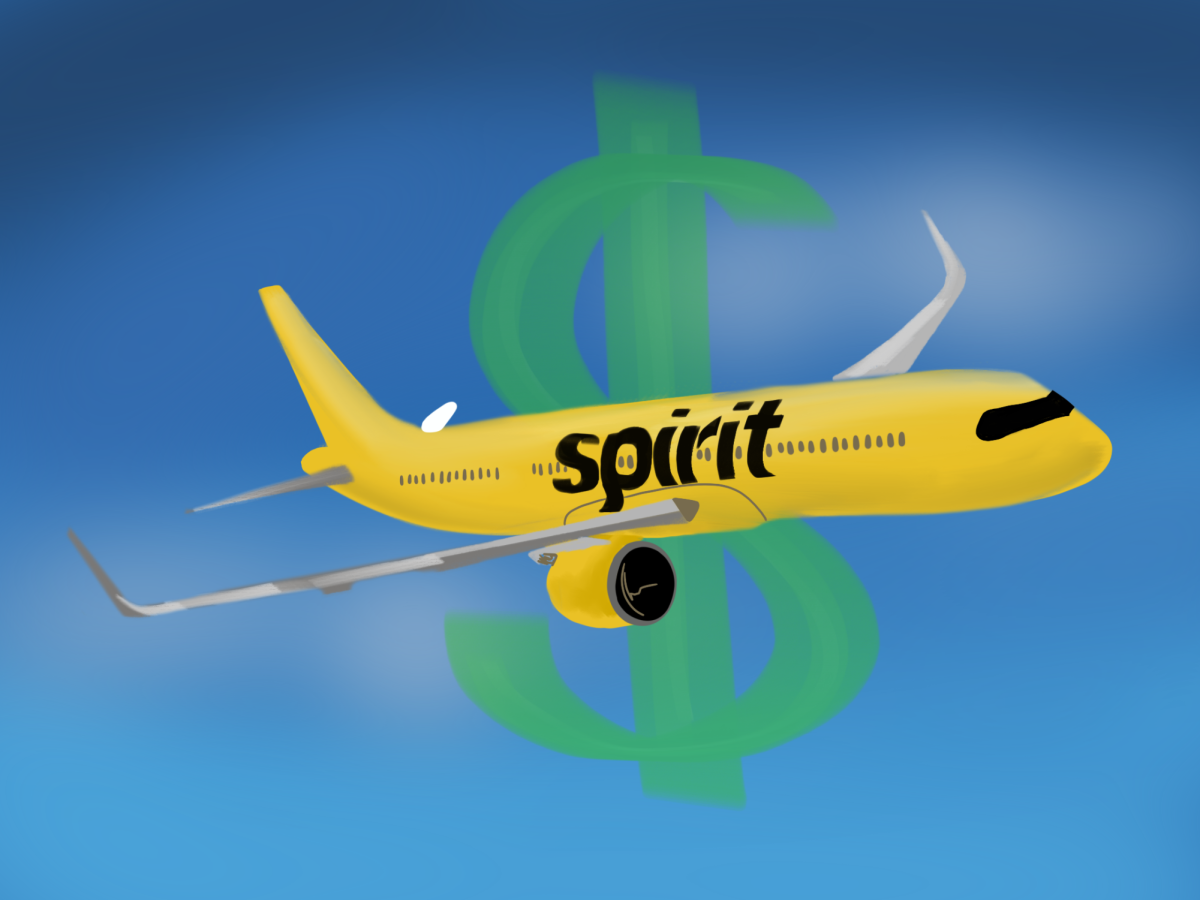











After more than three decades in the skies, Spirit Airlines officially ceased operations on May 2, 2026, grounding its signature bright yellow planes and ending a business model that reshaped low-cost air travel in the United States. The shutdown followed years of financial instability, two bankruptcy filings and unsuccessful efforts to secure additional funding or a merger partner. For travelers who relied on Spirit’s low fares, the airline’s closure marks a significant shift in the future of budget travel.
Spirit Airlines announced an “orderly wind-down” of operations in early May, immediately canceling flights and ending customer service operations. According to the company, rising operational costs and continued debt made it impossible to remain financially stable after a second Chapter 11 bankruptcy filing failed to improve conditions.
Founded in 1992, Spirit became known for its ultra-low-cost model, offering fares often significantly lower than major airlines while charging separately for services such as checked bags, seat selection and onboard snacks. Though frequently criticized for additional fees and limited amenities, Spirit expanded access to air travel for passengers who otherwise may not have been able to afford vacations, family visits or quick domestic trips.
For many travelers, Spirit represented a tradeoff: fewer conveniences in exchange for affordability.
“I’m not really surprised,” Academy of Finance student Sophia Chiang said. “A lot of people knew Spirit for poor customer service, but cheaper prices usually came with that. Those lower prices mattered for families and students who otherwise might not have been able to travel.”
At its peak, the airline flew to destinations throughout the United States, Latin America and the Caribbean, serving millions of passengers annually. Industry analysts also note that Spirit’s pricing model placed pressure on larger airlines to lower fares on competing routes.
“It’s difficult because airlines like Spirit helped keep prices competitive,” business teacher Ms. Zeppieri-Cervini said. “When a low-cost airline disappears, there’s concern that fares could increase. At the same time, there are still alternatives like Frontier, so it will be interesting to see how the market adjusts.”
Still, the airline struggled financially in recent years. A proposed merger with JetBlue was blocked in federal court in 2024 over antitrust concerns, while rising fuel costs, competition from larger airlines and shifting travel habits created additional financial strain. After filing for bankruptcy twice between 2024 and 2026, Spirit ultimately announced it could no longer continue operations.
The closure has also renewed discussion surrounding affordable travel.
“I think it’s important that airlines like Spirit continue to exist because flying shouldn’t only be accessible to the wealthy,” sophomore Hedia Ninan said. “Spirit was popular because of its cheaper prices, and I think other airlines could learn from its mistakes while still trying to make travel affordable.”
Spirit’s closure also affects more than passengers. Approximately 17,000 employees, including pilots, flight attendants, mechanics and customer service workers, were impacted by the shutdown and many now face an increasingly competitive job market.
Whether Spirit Airlines will be remembered for its low fares, controversial fees or role in reshaping modern air travel depends largely on perspective. After 34 years in business, however, its closure leaves behind noticeable questions about affordability in an industry where price often determines who gets to travel and who does not.