













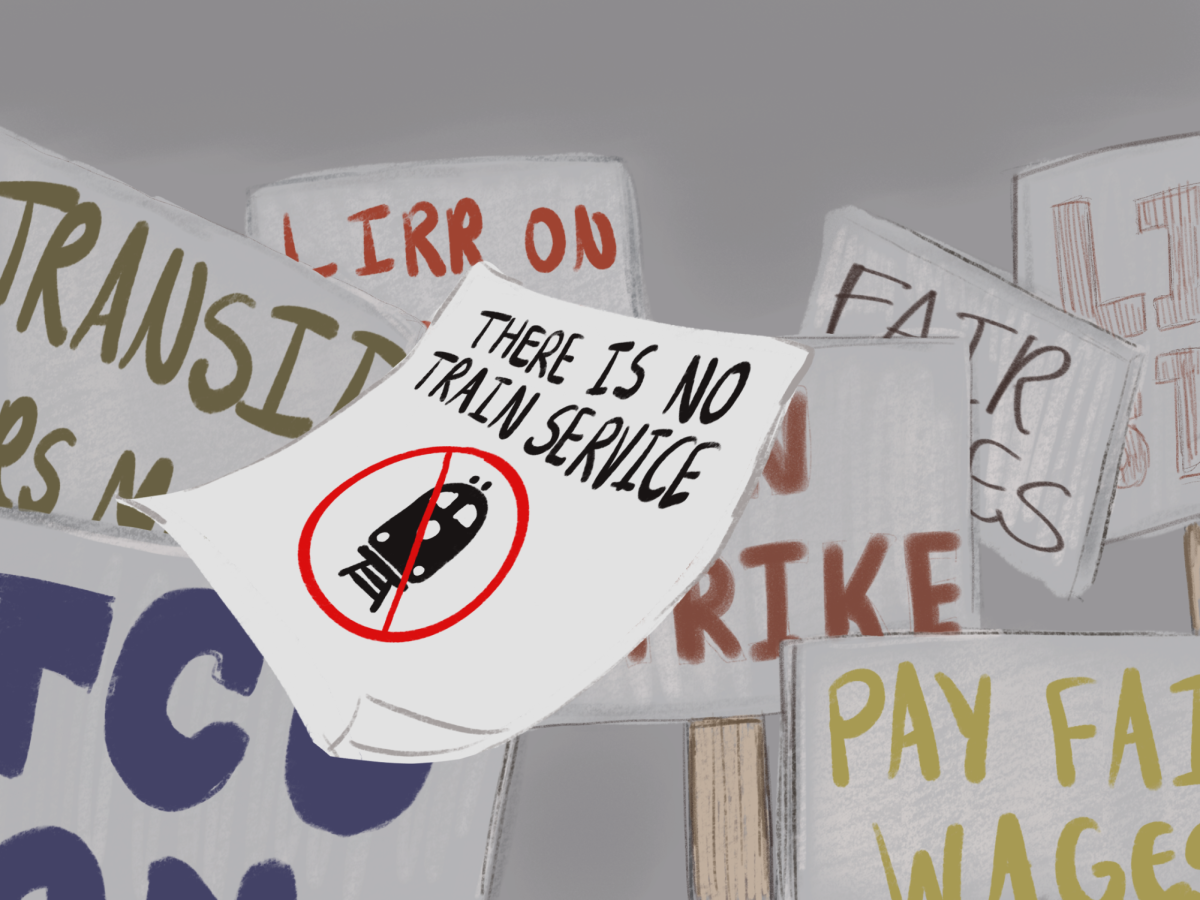













For the first time in more than three decades, Long Island Rail Road service came to a halt in May 2026 after approximately 3,500 workers walked off the job during an ongoing labor dispute with the Metropolitan Transportation Authority. The strike, which began May 16, suspended service on the country’s busiest commuter rail line and disrupted travel for nearly 300,000 daily riders across Long Island. For commuters, students and workers who rely on the LIRR, the shutdown quickly altered daily routines and complicated travel plans.
The strike stemmed from a disagreement over wages between the MTA and five unions representing engineers, conductors and rail employees. Union leaders said workers had gone three years without raises and argued that the MTA had failed to meet recommendations previously proposed by federal mediators. MTA officials, meanwhile, maintained that their offers were fair and warned that higher labor costs could eventually affect riders and taxpayers.
Because the LIRR serves as a major connection between Long Island and New York City, the effects were felt almost immediately. Commuters turned to highways, rideshare services and remote work arrangements as officials introduced shuttle buses and alternate transit options that could not fully replace normal rail service, according to Reuters.
“My dad got lucky because he didn’t have to go into work that week and opted to work remotely, but a lot of adults don’t have that option and have to deal with the costs,” junior Amy Jigon said.
While the labor dispute unfolded, some Long Islanders adjusted their daily schedules while others delayed travel plans entirely.
“Me and my friends wanted to go to the city, but the strike started that day,” junior Sameer Salehein said. “It was frustrating because public transportation should be accessible, but workers also deserve fair treatment and have the right to fight for that.”
Teachers and workers commuting across Long Island also noticed changes in traffic patterns.
“During those days, traffic was noticeably higher,” mathematics teacher Mr. Brusca said. “During the strike, it was way worse. It was at least 15 minutes longer to get home.”
After three days of negotiations, Governor Kathy Hochul announced May 19 that the MTA and union representatives had reached a tentative agreement, restoring service ahead of Memorial Day weekend. Officials said the agreement included wage increases for workers while attempting to avoid fare increases for riders, according to Reuters coverage of the settlement. The MTA later announced refunds for some monthly ticket holders affected by the disruption.
Although service resumed quickly, the strike underscored how closely daily life on Long Island is tied to the LIRR. For commuters, students and families alike, even a short interruption reshaped routines that many rely on every day.