























On May 2, 2026, the Centers for Disease Control received a report that cases of a disease known as hantavirus were found on a cruise ship in the Atlantic Ocean. Based on laboratory tests, the CDC found that the illness led to two deaths and left a passenger in critical condition. From social media to real life, the world’s response to hantavirus has been a reflection of post-COVID-19 panic and virality.
“I think it’s a response to how the pandemic affected us all, suddenly everyone’s on edge and more concerned about what might happen, and social media allows that fear to spread quicker,” sophomore Alayna Vyas said.
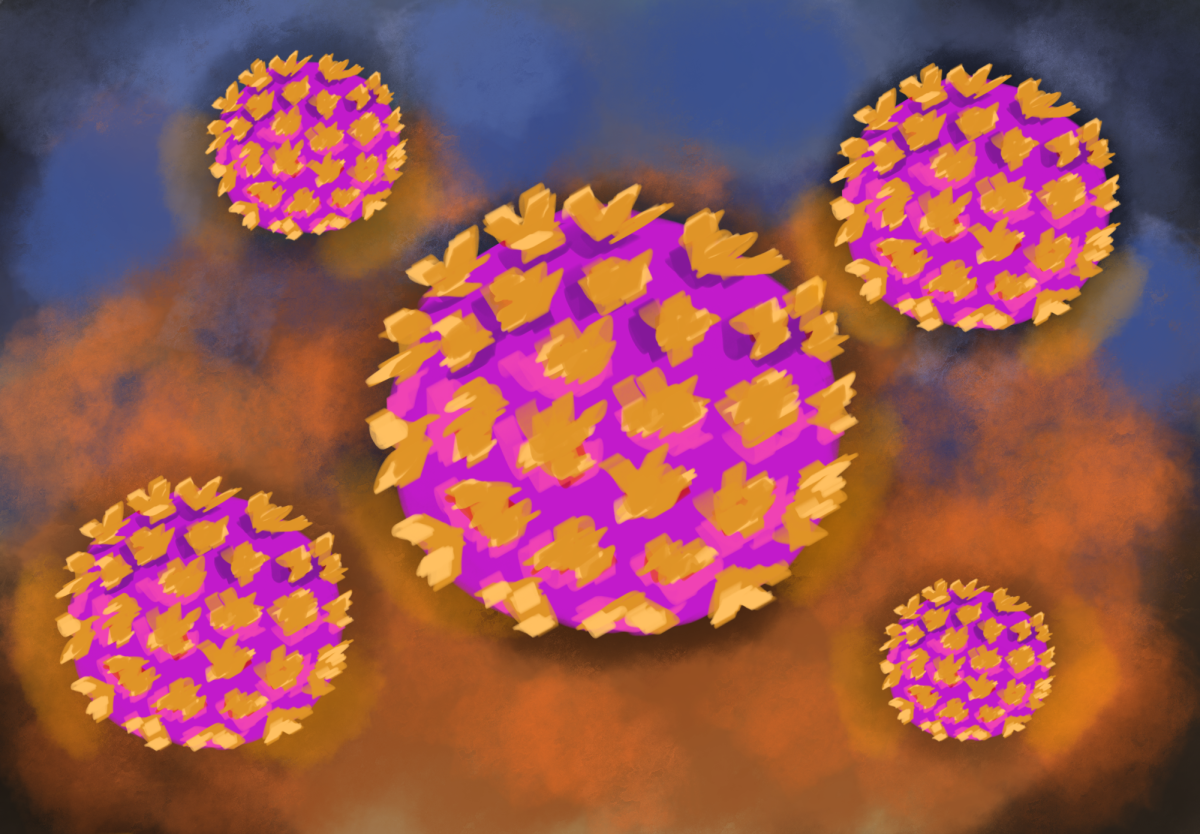
Hantavirus is a group of more than 20 viruses that are spread to people due to exposure to infected saliva, urine or feces from rodents. The Andes virus, the strain of hantavirus that affected passengers on the cruise ship, is a variant of the hantavirus that can spread from person to person. The hantavirus can lead to early symptoms of fever, fatigue, headache or nausea, while later symptoms include shortness of breath, chest tightness and rapid respiration deterioration.
Social media’s response to this outbreak clearly shows COVID-19’s impact on the world, with many comparing it to the early days of COVID-19. During COVID-19, misinformation spread rapidly, changing the public’s perception of the disease without proper information. Experts have recommended fact-checking influencers who spread information about hantavirus through trusted sources such as the CDC and the WHO.
“I think the Hantavirus craze was nothing short of media fear-mongering and COVID-19 PTSD,” junior Dominic Cyril said. “Overall, I think it was an interesting story of how a cruise ship could carry such a disease, but also a unique ethical dilemma of allowing the passengers to deboard or not.”
In New Hyde Park, students and teachers alike have reflected on the reaction they first had to the spread of hantavirus on the cruise ship, particularly during the aftermath of the COVID-19 pandemic.
“I felt scared once I first heard of the hantavirus because I didn’t want to see a repeat of the COVID-19 pandemic. However, after doing some research, I realized that social media was simply hyping the disease up and I shouldn’t be that worried,” junior Ishwin Kler said.
“Many students are understandably concerned whenever a new disease appears in the news because they immediately think back to COVID-19. However, it’s important to recognize that every disease presents different risks, and public health officials will assess the situation carefully before considering any major restrictions,” science teacher Mr. Denara said.