







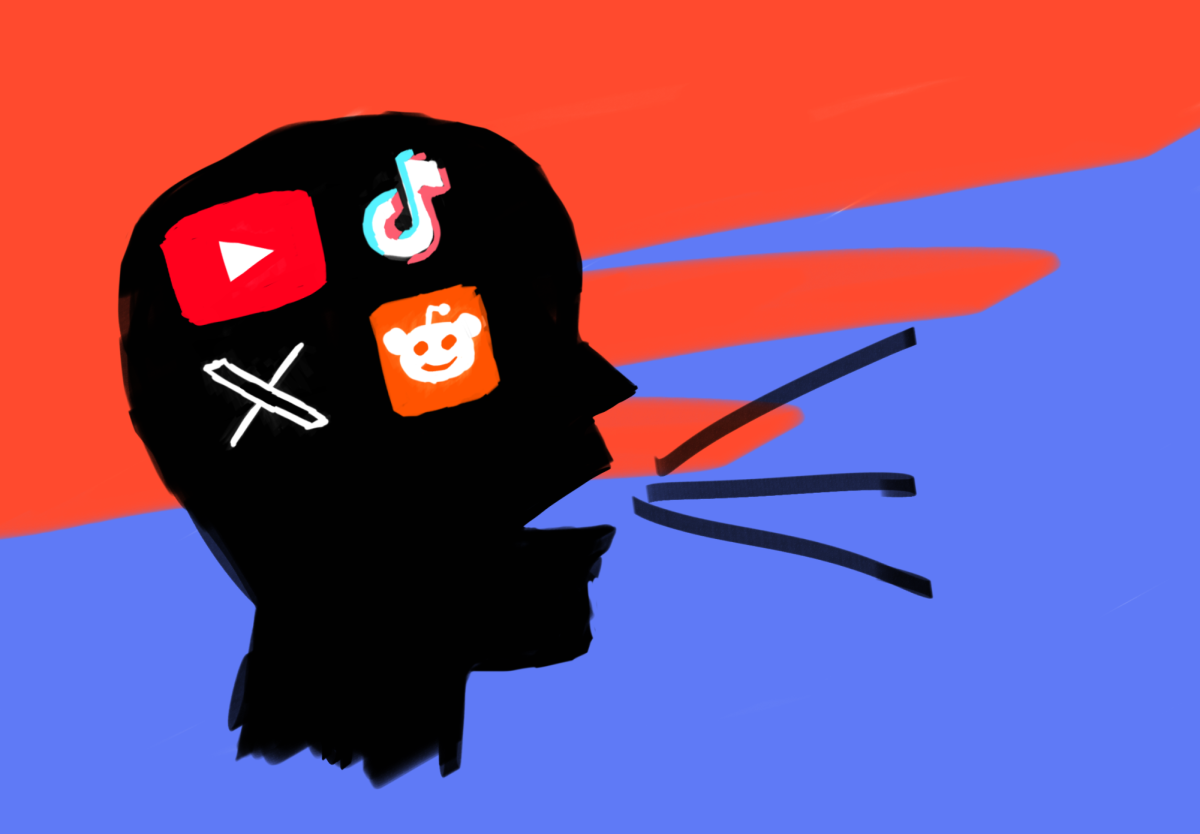




Throughout history, politics has been a pertinent topic of discussion across various forms of media. The contemporary news landscape fuels political discourse across news channels, books, articles and more. However, mainstream political discussions have now evolved beyond traditional media. Sites like Reddit, Twitter, YouTube and TikTok have contributed to widespread political polarization. Given the changing state of media, many recent political campaigns have particularly emphasized the use of social media to further their campaigns and reach a wider range of people.
“I do feel like politics have become more discussed over social media,” eighth grader April Amaya said. “Mostly because of people just becoming more aware of it, but also probably because of the ongoing fights happening around the world right now.”
“I’m not on any social media platforms, but I do think politics have become more debated on social media sites,” social studies teacher Mr. Kowalczyk said.
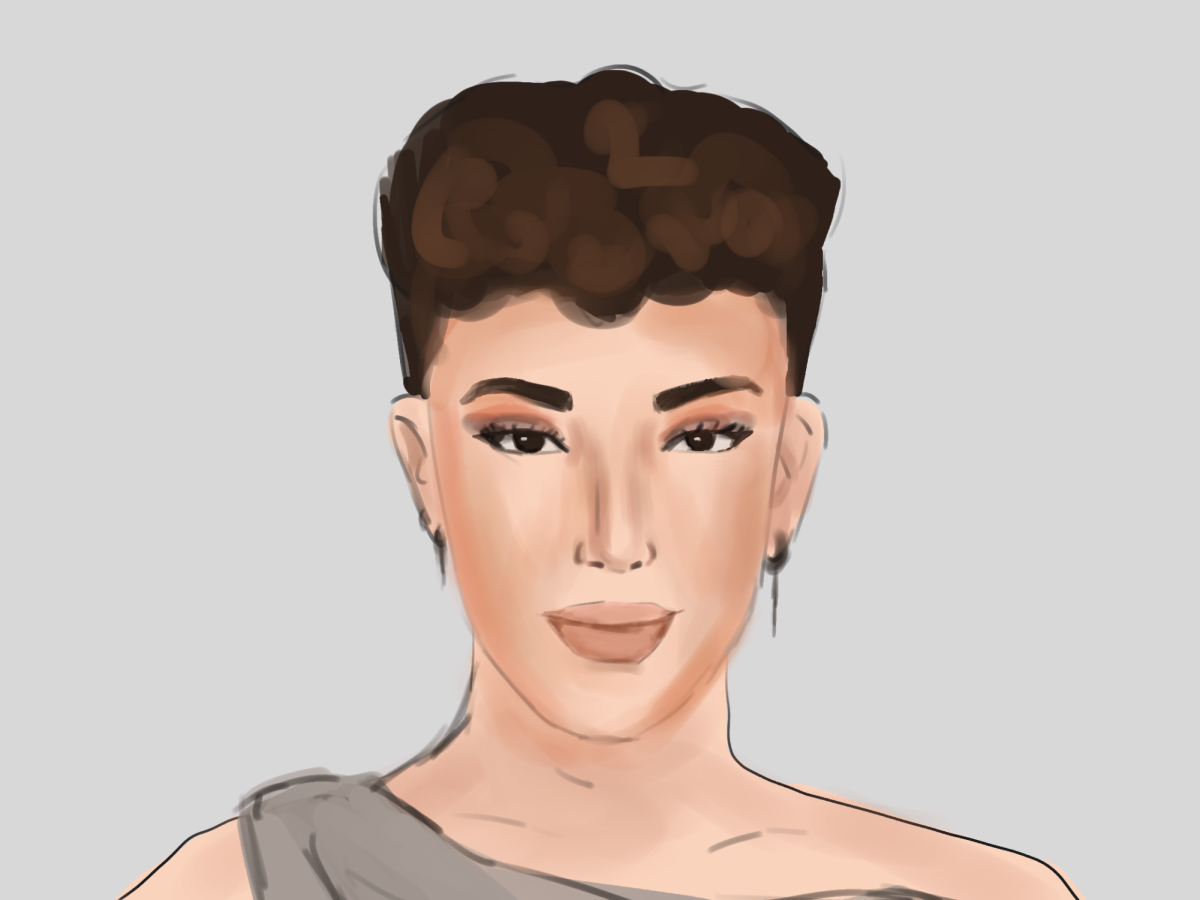
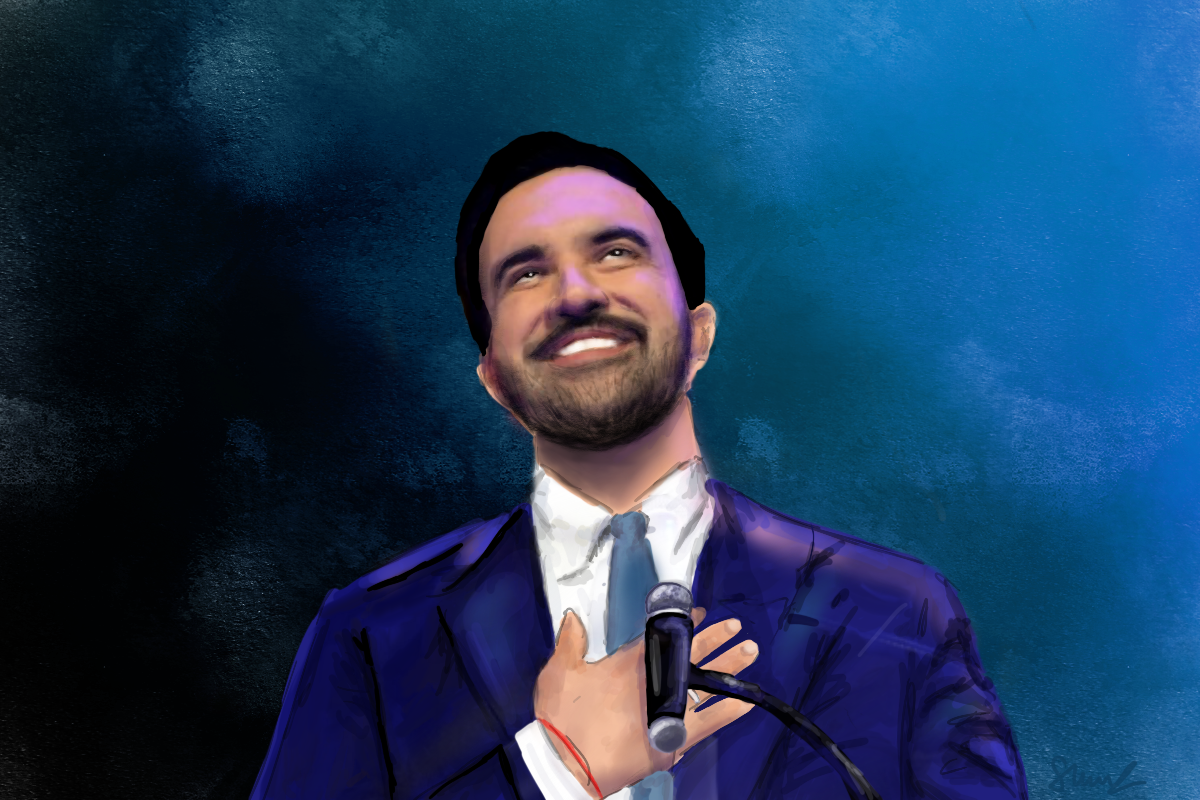
As the use of social media for political information has increased among the general public, some political candidates have turned to it as a form of communication with their voter base. New York City Mayor Zohran Mamdani has been able to gain popularity through compelling campaign ads, noted for his ability to use digital tools effectively and easily reach voters with various styles of content, including man-on-the-street interviews and fast-paced shortform content. Another example of a successful social media campaign is that of James Talarico, a 36-year-old Presbyterian seminarian who recently won the Senate Primary in Texas. He is noted for his unique approach to progressive politics, often employing biblical justifications for his policy positions. With over one million followers on TikTok, Talarico gained much of his fame through actively posting online, including livestreams walking through his entire district campaigning.
However, as much as social media can be used as a political strategy and tool, it can also be employed as a weapon against opponents. Republicans have unearthed provocative comments on race, gender and religion made by Talarico from before his campaign. Other politicians have been facing controversy because of their use of social media as well. President Donald Trump’s use of social media, for example, has often been met with criticism. Trump has been accused of pushing neo-Nazi graphic elements and other Nazi slogans through his past posts.
As AI technology continues to develop, its use within social media has continued to expand, including in political messaging. Donald Trump and his social media team have used AI to generate images and videos for posts. Last year, Trump posted an AI-generated video to his nine million Truth Social followers depicting Gaza as a luxury resort, with the words “TRUMP GAZA” visible. The White House account on X also posted an AI-generated video of immigrants being deported titled “ASMR: Illegal Alien Deportation Flight.” These videos have received mixed reactions from the public, with backlash regarding the use of AI to depict such sensitive topics.
“I have had multiple encounters before with the actions of Donald Trump. I’ve also seen online about the attacks on Iran,” eighth grader Alyvia Laiju said.
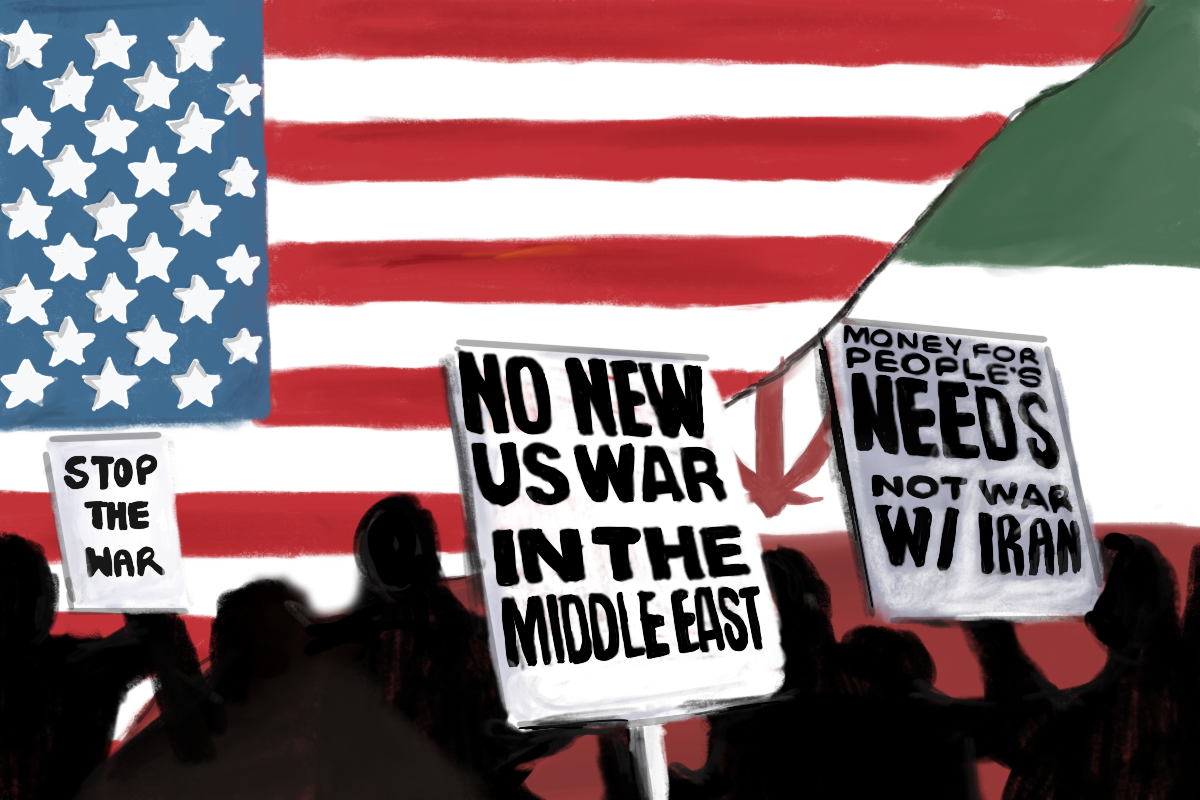
Recently, a conflict has arisen between the USA and Iran, resulting in heavy casualties across the Middle East. Social media has played a key role in informing the public of the political and military situation, with governments from both sides trying to use the media in order to influence public perception. For example, the White House released video montages of real air strikes to Iran alongside clips of various video game and action movie clips. It was posted on X with the caption of “Justice the American Way.” Iran has also used AI videos as propaganda. As the conflict goes on, the global political landscape may continue to be shaped by social media.
“I understand why people use social media for politics, but I feel like politicians should just be honest and not use AI,” eighth grader Bea Isaac said. “Many people may be misled by these videos, altering their perceptions of what’s going on.”