






















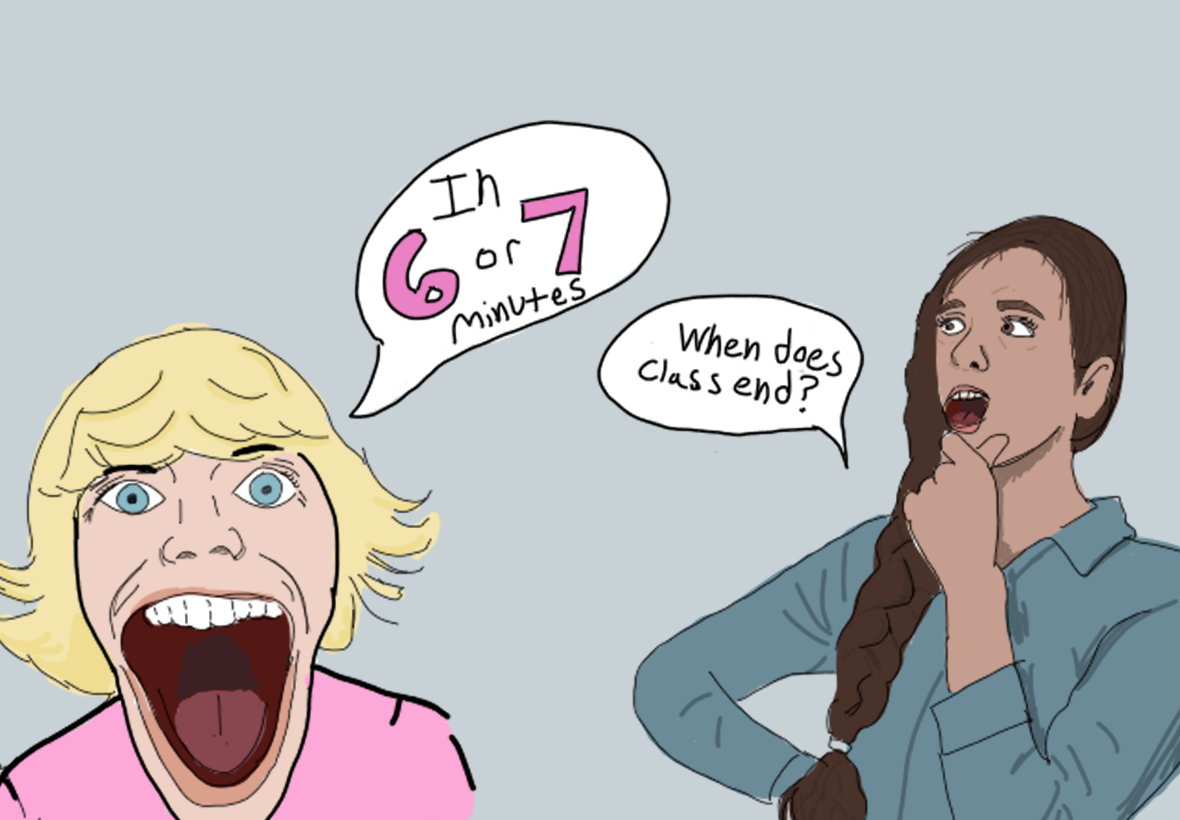




The New Hyde Park Chariot, known by many for its great articles, fantastic art, and clever headlines, is scared of one thing.
“The. Oxford. Comma.” figure skater Alysa Liu said.
The fear of the Oxford comma haunts The Chariot every issue. One of the most controversial and debated topics of the English language, the Oxford comma has often been used for clarity. It’s commonly used in a list of three or more items.
Now one may be asking, why does the Oxford comma scare The Chariot team so much?
Well, there’s this girl named Carmela, who loves English. She won spelling bees, read classics for fun, wrote short stories, and even her own novel. So, the day she learned about the Oxford comma, her eyes were opened to a whole new world of language.
“The sentence said: Eric went to the store to buy apples, oranges, and grapes. Immediately, the Oxford comma drew me in, and I knew that this would create a whole new beginning for my writing. It allowed me to list my favorite things: Hamilton, Harry Potter, and English,” senior Carmela Drossman-Schlossberg said.
So when she got to high school, she was eager to pursue English, whether that was through clubs, workshops, or classes. Like any highschooler would during this time, she was also prepping and studying for the SAT. That is when she realized that the Oxford comma was a debated topic, and she didn’t know for sure whether the SAT would test it. Google said different things, which led Carmela to believe that it wasn’t tested, since it was a controversial topic.
On the day of her SAT, she was on English Module 2. She had five seconds left, and was on her last question.
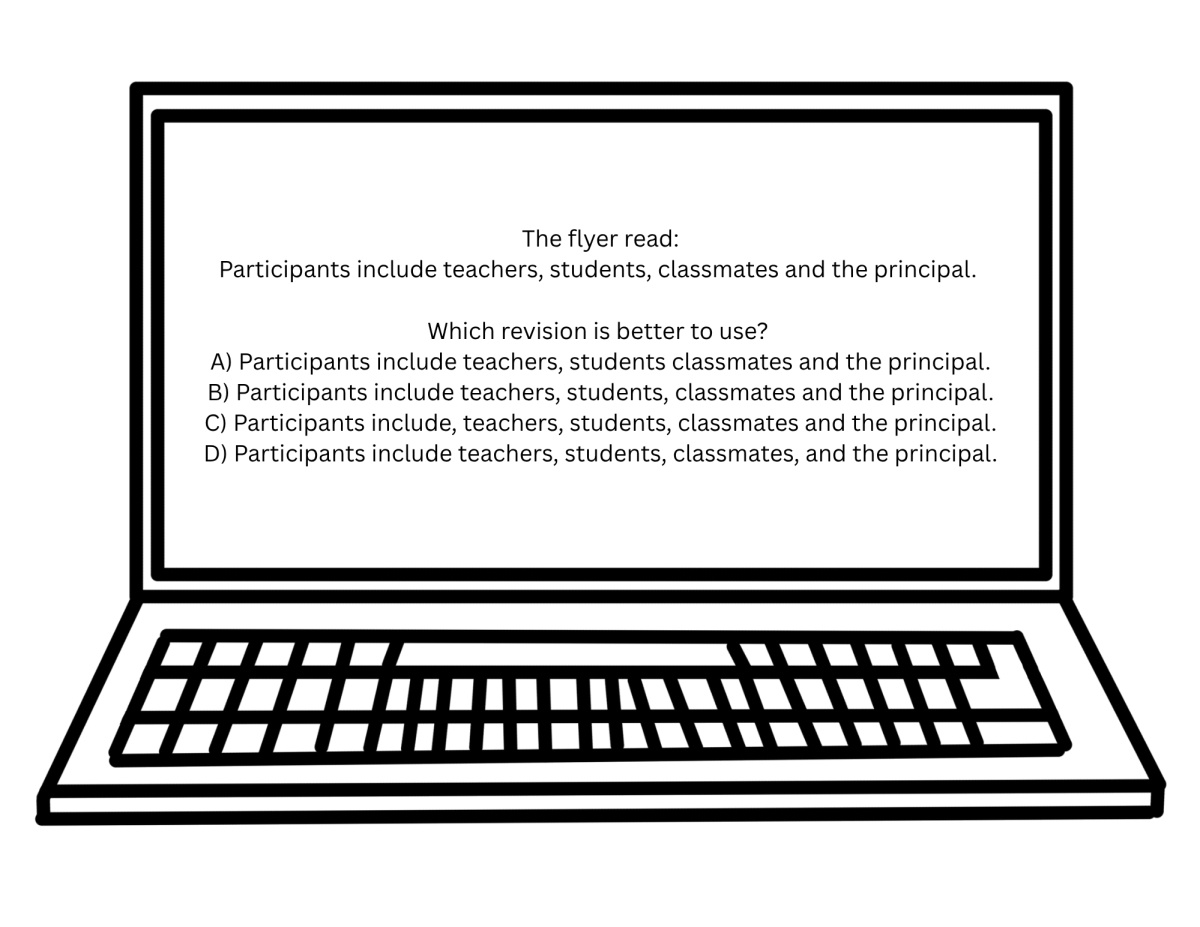
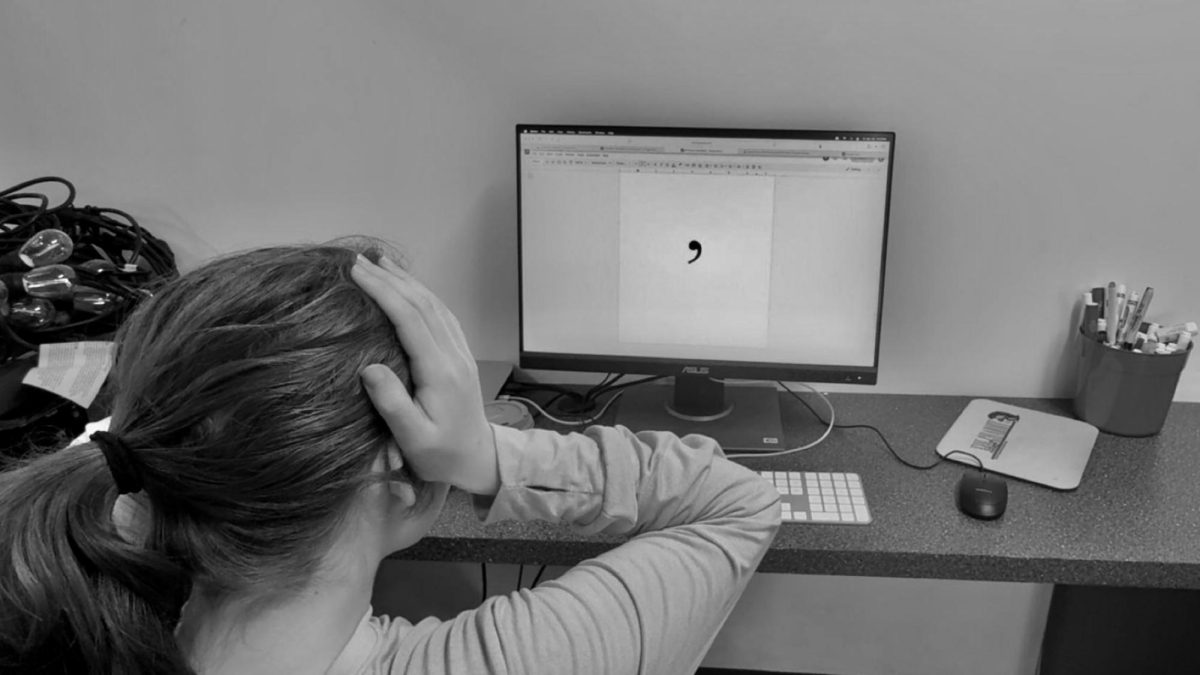
She stared at the answer choices, then looked up at the red, glaring clock. She was fiddling with her mouse, scrolling up and down each choice, trying to figure out where the comma should be. She had one second left, and then she heard a huge noise.
A kid got up from their desk, making a huge yawning noise and pushing the desk, which made Carmela distracted. By the time she looked at her screen, the question was gone, unanswered. She left for her break and then continued through her test. Carmela was tense about the question, but she was locked in, going through each calculation of the Math section with no hesitation.
The next Friday after the test, the results were in. Carmela got a 1590, 790 in English and a 800 in Math. At that moment she knew: it was the Oxford comma.
She wrote an email to the company, however they ended up saying that it was a tested topic and that she can retake the test if she wants to. But she was already so close to her college admission time that she left it alone.
But from that day forward, she despised the Oxford comma. In all of her writing senior year, no Oxford comma was present.
“It has helped me in my worst times,” she said. “But it also betrayed me.”
So when Carmela became Editor-in-Chief of The Chariot, she made a rule that the team would never use the Oxford comma again, due to her past experiences with it.
And Carmela lived happily ever after, without the Oxford comma in sight.
And this tale remained a memorable one, passed down for generations, to remember why The Chariot never uses the Oxford comma: for Carmela, for students, and for writers all over the world.