







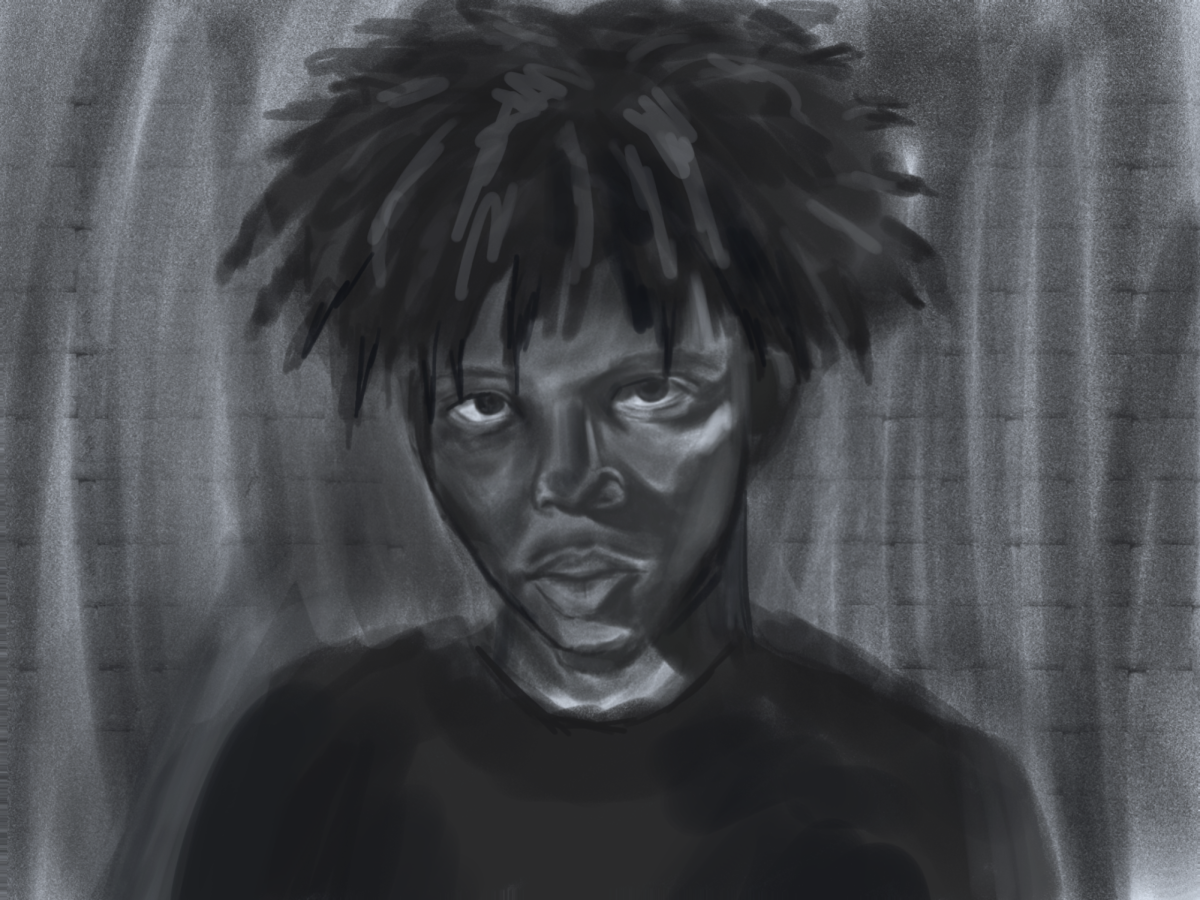




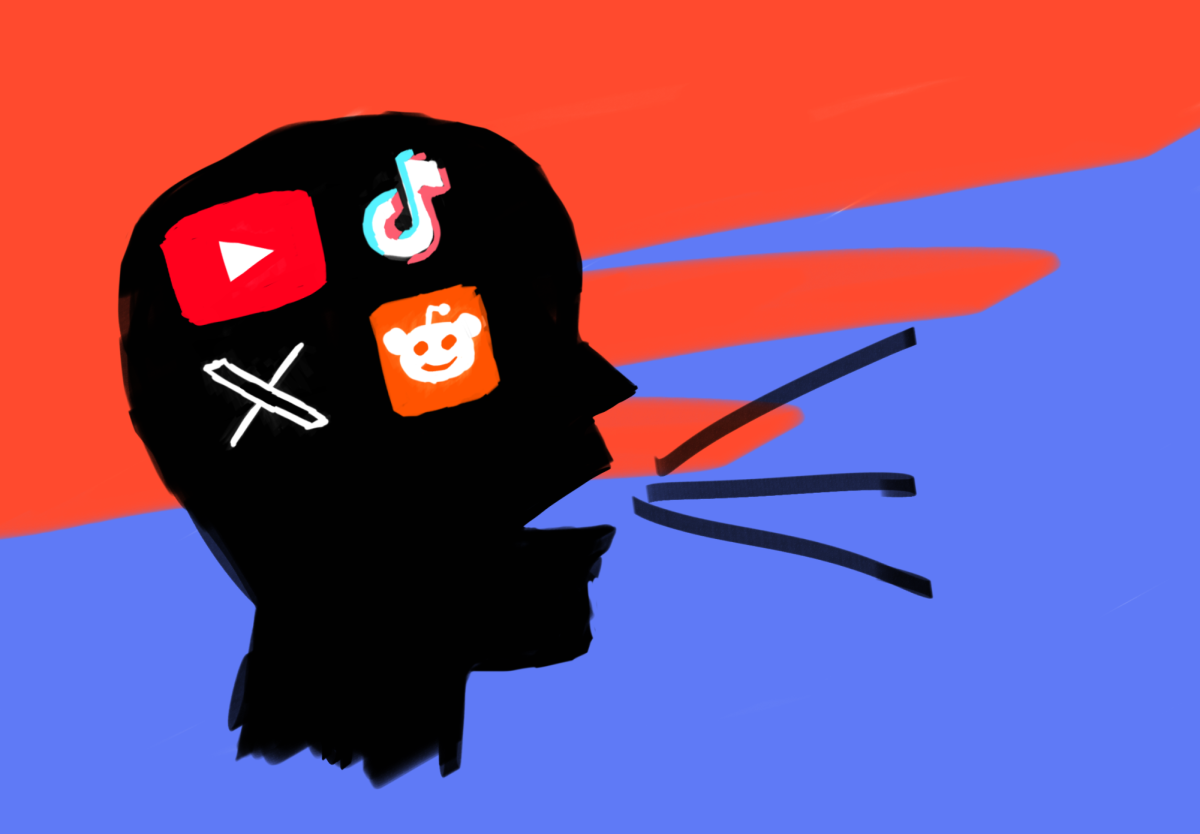







Recently, there’s been a lot of image-focused trends on TikTok, such as blackpill, looksmaxxing, flip the camera and wabi sabi. The term blackpill started in online communities of incels, or heterosexual men who struggle with romantic relationships. Blackpill is often described as a nihilistic ideology centered on the belief that women only want men with certain physical traits and that this status cannot be changed. This was inspired by the 1999 film “The Matrix,” where people could take the blue pill and stay ignorant or take the red pill and know the truth about their world, with blackpill being based off of the red pill.
Some blackpill incels still try to change themselves by altering their appearance through plastic surgery or going to the gym, while some incels see this as “bluepill behavior.” Others who associate with blackpill ideology describe life as meaningless and in rare cases, researchers have linked extremist beliefs within these communities to acts of violence.
Looksmaxxing is a practice that some young men use to “maximize” their looks. Members use measurements such as IPDs, or the distance between pupils, or canthal tilt, which refers to the angle of the eyes, to compare characteristics. The trend has roots in online forums, including incel-associated spaces. There are two types: “softmaxxing” and “hardmaxxing.” Softmaxxing includes minor tweaks such as dieting, exercise, skincare and hairstyling. Hardmaxxing includes plastic surgery, Botox and other more extreme measures.
“Gen Z is constantly comparing themselves to other people, especially through social media,” seventh grader Carita Chai said. “For example, when they see someone who looks good, they become jealous and start trying to make themselves like that person.”
The flip the camera trend has been going viral for different reasons. The trend works by a group of kids asking someone to take a video of them. They dance and then someone comes up and flips the camera to show the filmer. The filmer is typically someone who may struggle socially or stand out in some way. The intention in many videos is to make fun of this person, but there has been a significant push against this trend. People see this as a form of glorified bullying.
“The flip the camera trend may be funny to some, but it’s honestly not. It doesn’t matter who you’re targeting, it’s still hurtful no matter what,” seventh grader Sara Rana said.
Wabi Sabi is a Japanese philosophy that accepts beauty in imperfection. This concept gained popularity on TikTok from a sound in the 2000s television show “King of the Hill.” People use the audio while showing something that is not perfect but beautiful, such as a pet, a partner or themselves. Some think saying that you’re beautifully imperfect is a backhanded compliment, while others think it promotes self-acceptance and pushes back against the need to be perfect.
Taken together, it’s clear that while Gen Z wants perfection, they also want authenticity. They want to be accepted for who they are, but also want themselves to be perfect.
“These trends can increase pressure around appearance and self-worth. Students become insecure, constantly seeking validation from others and feel a sense of inadequacy. Unfortunately, we have seen many cases where these trends have a huge impact on students’ mental health, confidence and relationships,” counselor Ms. Menendez said. “It leads to people becoming more self-critical of themselves, causing a severe impact on their self-esteem.”


J. Cummings • Jan 5, 2026 at 7:50 pm
Gen Z should realize that online people can change their appearances with filters and angles. Trying to attain a look that is manufactured is’nt healthy.