



















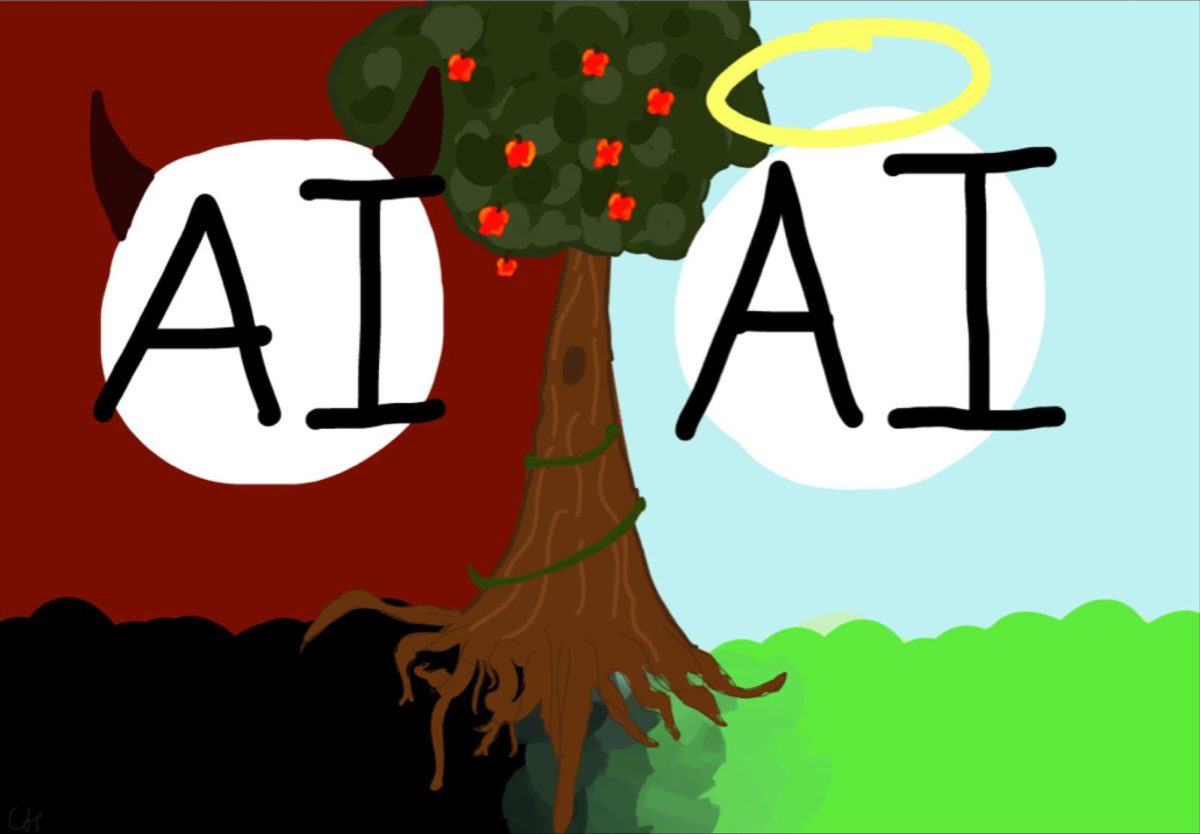
As 2025 comes to a close, artificial intelligence technology continues to evolve rapidly, transforming classrooms, reshaping entire fields of work and forcing students and teachers alike to rethink the boundaries of AI in a rapidly changing world.
September saw the release of Sora 2, OpenAI’s newest video-generation model. Capable of producing long, coherent and highly detailed video clips with synchronized audio, the model showcased how fast AI-generated media is approaching professional quality. When the model was first created, a wave of videos featuring popular influencer Jake Paul flooded TikTok and related platforms.
“When I initially saw these videos, I thought they were real. The first video I saw lacked the Sora 2 watermark, which furthered my belief that this video was real. However, as I saw more and more videos with Jake Paul, I understood that they were not real, but AI-generated,” freshman Leighton Roliz said.
Google responded with Gemini 3 Pro, its most advanced multimodal system to date, featuring improved reasoning, coding, larger-context understanding and greater integration within Google systems and workspace tools. Alongside it came Nano Banana Pro—a part of Google DeepMind’s Gemini 3 Pro model, a visually focused model built to generate and edit images with sharper clarity and more readable text than previous-generation tools. This model sparked some controversy early on for biased outputs in certain prompts, a reminder that as AI improves, it is important to question the ethical and representative concerns that come along with this experimental technology.
In previous interviews, the current CEO of OpenAI has reported that the company has no plans for profit. In an ever-changing climate, this claim seems to have faded as OpenAI creates strategic partnerships to expand its empire of artificial intelligence. Although OpenAI is not a publicly traded company, according to Bloomberg, “a basket of companies connected to OpenAI has gained 74% in 2025,” stressing the broader AI market’s growth potential and interest in the company’s ecosystem.
These partnerships have pushed the AI market toward consolidation: companies with the most hardware and cloud access will shape the next generation of models. Through this analysis, it is also visible that OpenAI is currently dominating the AI field with its wide array of partnerships, alliances, and collaborations with large manufacturers and investors.
Multimodal models have made it easier than ever to produce polished videos, images, and written content. While this empowered creators, it also increased the volume of misinformation, deepfakes, and manipulated media online. Routine tasks in journalism, coding, and design became more automated, creating mass layoffs in many large companies due to the heavy integration of AI within the workplace. At the same time, new roles emerged in AI oversight, prompt engineering, and digital ethics—highlighting AI can both replace and reshape jobs.
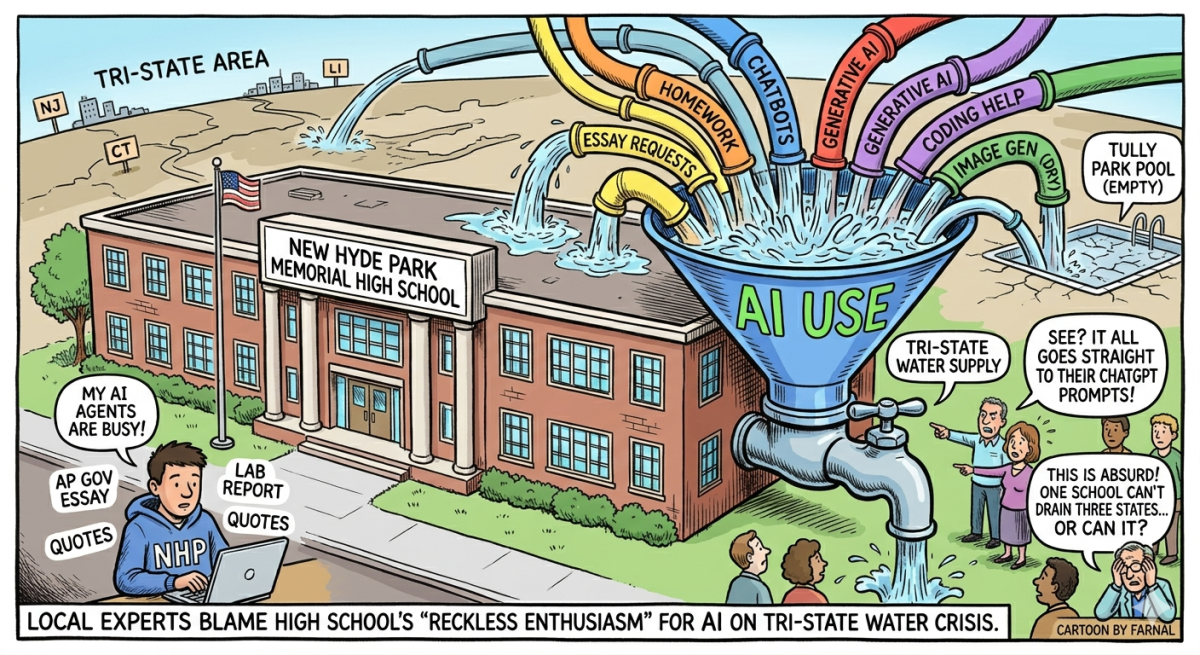
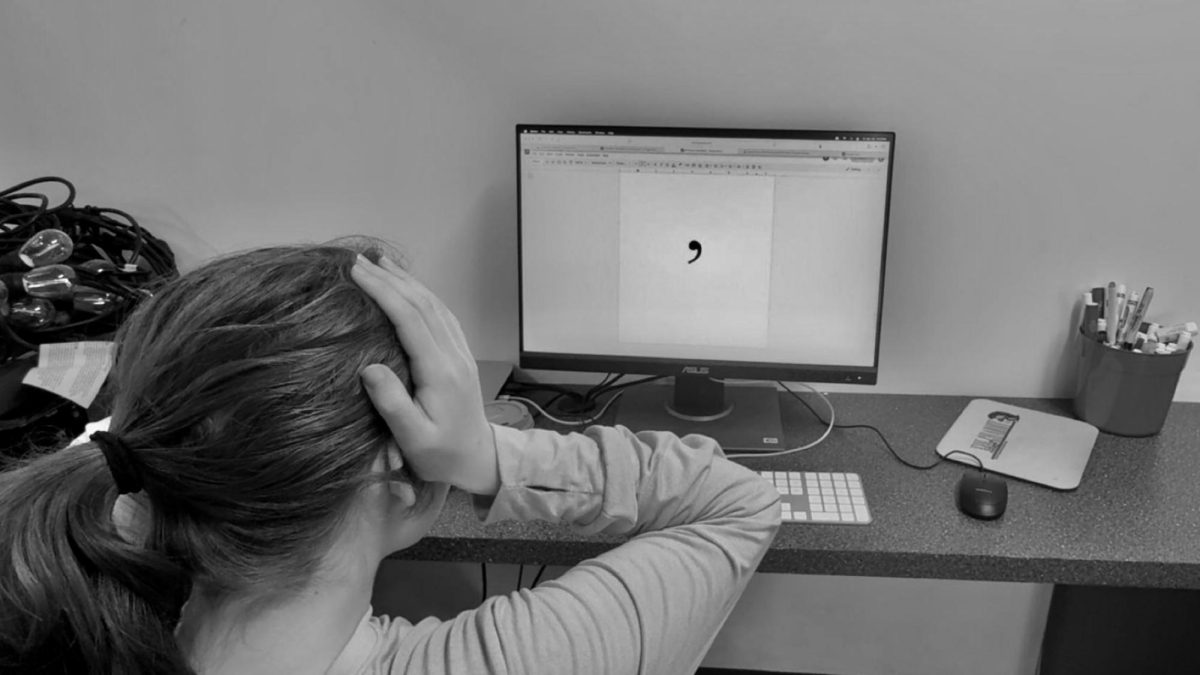
Classrooms also experienced a changing dynamic, a sweeping shift. AI has become the tutor, the assistant, the designer, and sometimes even the student themself. Exaggerating the heavy reliance on AI—especially among younger students, who feel they must prove themselves—can be detrimental. Situations such as these showcase the danger of AI through the lens of both ethics and morals.
“The widespread integration of AI within classrooms has made even me, as a student, question the ethics behind the usage of AI. I feel awful for teachers. The constant changing of AI makes it increasingly impossible for them to decipher whether or not writing is AI or not,” senior Ariana Muhammad said.
Teachers, meanwhile, have had to rethink lesson planning, assessments, and digital assignment expectations.
“AI makes it much easier to cheat if students want to. They are using it more often to replace their own work rather than to improve their thoughts,” English teacher Mr. Colvin said.
As the eventful year of 2025 comes to an end, one thing is certain: it is no longer fair to call AI experimental. It now stands as a defining technology guiding global markets, trending towards integration within everyday life, and advancing expectations in ways few could have imagined only a short while ago.