







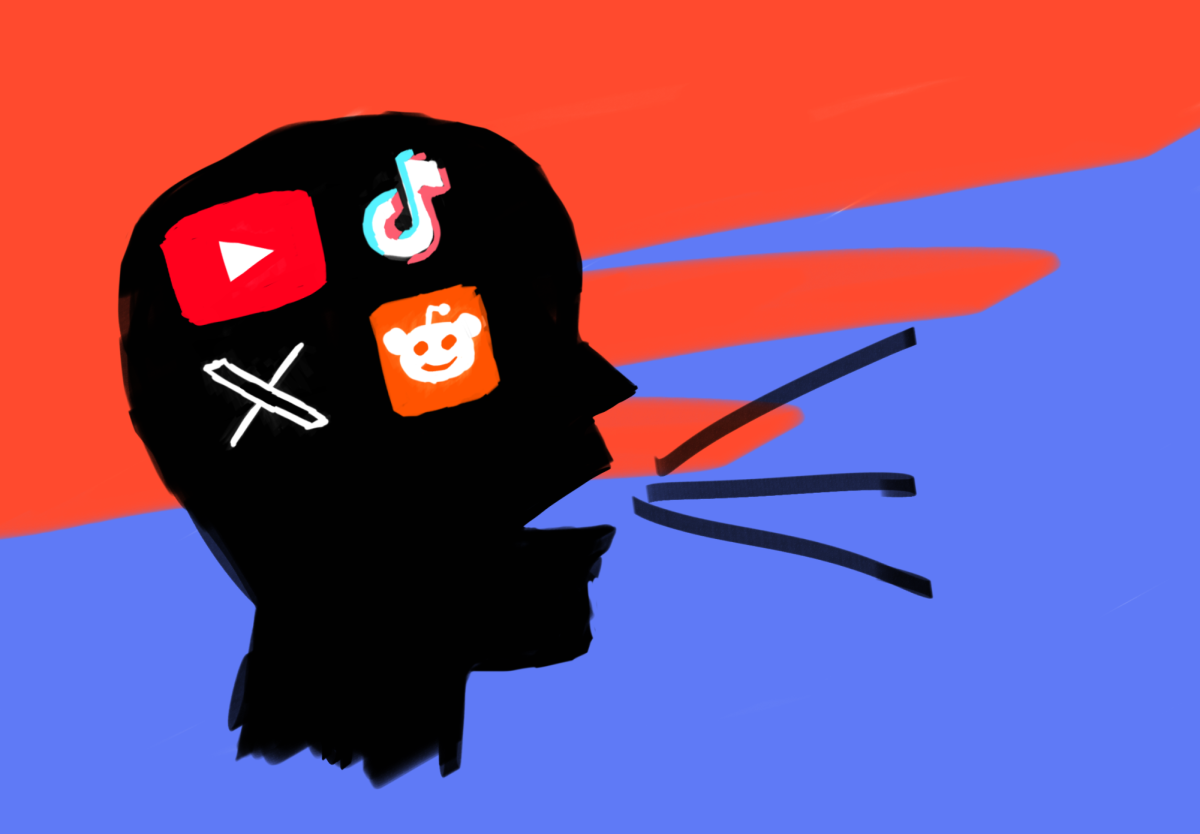








Throughout time, fashion has been a way for people to express themselves, showcase creativity and uplift moods. Whether it’s a grunge look from the 1990s or the Y2K look in the 2000s, fashion trends were created by multiple sources, like historical and social movements, celebrities and movies. However, recent fashion trends have been driven by digital platforms, with up-to-date fashion movements in a click of a button.
Social media created and revived many fashion trends, like streetwear and vintage. One notable trend has been the bringing back 2016 trend, where users travel back to the 2016 aesthetic, reminiscing the era as the “last good year” of digital innocence. Users took a nostalgic turn towards the 2016 style, a time marked by Snapchat filters, the rise of Pokemon Go and viral challenges like the “Mannequin Challenge.” The 2016 fashion items brought back are bomber jackets, Kylie Jenner’s lip kit and chokers. This desire for a 2016 revival includes a variety of factors: being pre-pandemic, less algorithmic patterns in media and before AI usage.
“I really love the 2016 trends coming back because I feel that the world of mainstream fashion, makeup and hair has been too minimalistic recently,” senior Anastasia Kostakos said. “As for fashion, I definitely love the Tumblr-like style that revolved around the 1975, like chokers, fishnets and the color black.”
The influence on fashion by platforms such as TikTok, Instagram and Snapchat has allowed for the rise of influencers. Social media gives accessible means for people to cultivate their own labels, and once these users go viral, sponsors contact for collaborations and endorsements, making marketing strategies and differences in fashion choices.
Social platforms acknowledged these techniques, creating an easier and new way to shop. On Instagram, users can find products they admire by scrolling through shopping bag icons in posts and stories, and tapping to see more details. On TikTok, there’s a section designed specifically towards “TikTok Shop,” curated towards the user’s algorithm.
“TikTok Shop is efficient and easy to use, especially with their low prices. However, I do think it comes with some drawbacks, with high shipping fees,” senior Anisha Chakroborty said.
The rise of social media also increased the use of “fast fashion,” with rapid trends driving this model. As videos can go viral instantaneously, fast fashion brands are pressured to shrink their time of design to accommodate retail, leading to an increase in collections launched. This rise creates ethical and environmental concerns about the methods of fast fashion, where high production rates and lower costs lead to high waste levels and intense labor conditions.
“When people see influencers and celebrities wearing something online, brands rush to make cheap versions so everyone can buy them fast,” fashion illustration teacher Ms. Stabile said. “This makes people feel pressure to keep buying new clothes to stay trendy, even though the clothes don’t always last long.”
Social media has urged activism and awareness on fast fashion, emphasizing the need for brands to have more sustainable operations. However, social media also encourages fast fashion through collaborations with influencers, algorithmic advertising and content targeting affordability.
As fashion continues to evolve, new trends are created and the old are brought back. Through the use of social media, these trends are spread at a much faster rate, leading to more engagement, purchases and fast fashion.