





















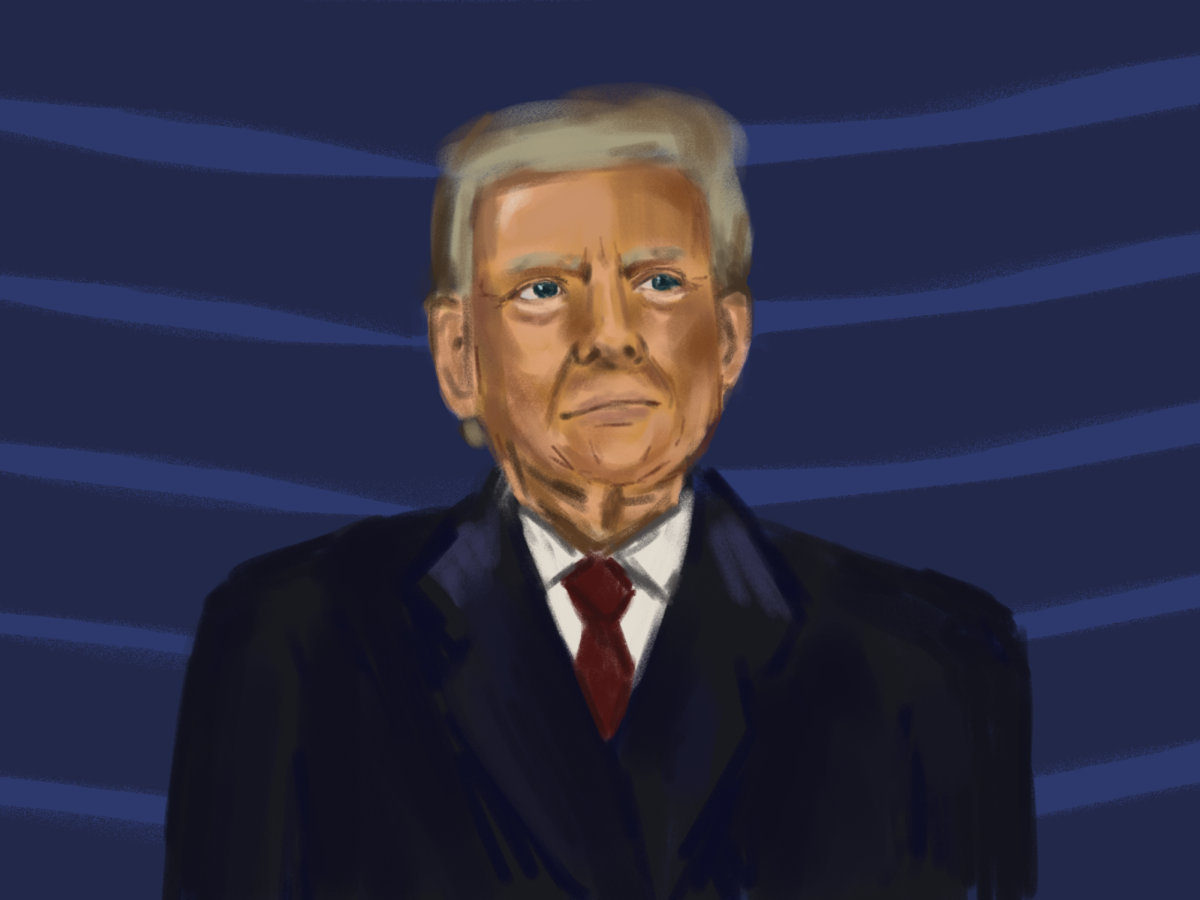
President Donald J. Trump has officially reached the one-year mark of his current term in office. During this time, his administration has introduced major policy changes, challenged long-standing political norms and reshaped U.S. relationships on the global stage. Supporters praise the speed and scope of these actions, while critics argue they have deepened political divisions at home and abroad.
A defining feature of Trump’s first year of his second term has been his extensive use of executive orders. The administration has issued more than 200 so far, surpassing the total number signed during Trump’s entire 2016–2020 presidency in a much shorter period, according to White House records. Several orders have sparked debate, including directives on border security and immigration enforcement, withdrawal of funding from select United Nations organizations, restrictions on transgender women competing in women’s sports, withdrawal from the World Health Organization, exit from the Paris Climate Agreement, and the imposition of sanctions on the International Criminal Court.
“Back when Trump first ran for president, he criticized former president Obama for signing a lot of executive orders, but as soon he became president both terms he signed an abundance more,” junior Dominic Cyril said.
Domestically, immigration enforcement has been a particularly controversial issue. In early January, the fatal shooting of Renee Good, a 37-year-old mother, by an ICE agent during a confrontation sparked protests in Minneapolis and other cities. President Trump described the incident as a tragedy while emphasizing compliance with law enforcement. Later that month, the death of Alex Pretti during an altercation involving ICE agents intensified public outrage. Critics noted Pretti’s background as an ICU nurse, U.S. citizen, and individual with no criminal record, while the administration continued to defend ICE officers and federal immigration enforcement practices.
Trump’s foreign policy has also drawn strong reactions. On January 3, 2026, reports emerged claiming the administration ordered a surprise operation resulting in the capture of Venezuelan President Nicolás Maduro and his wife, citing rising tensions involving sanctions and alleged criminal activity, which have not been independently verified by major international news organizations. While some Latin American communities reacted positively, many Americans expressed concern about potential U.S. involvement in another country’s internal affairs.
“During Trump’s presidency he has significantly decreased illegal immigration crossings, strengthened our economy, and created peace throughout the world through military strength as seen in recent Venezuelan operation which includes the removal of a cruel dictator Nicholas Maduro,” freshman Jayden Jacob said. “He is focused on putting American citizens first and that is what will make America great again.”
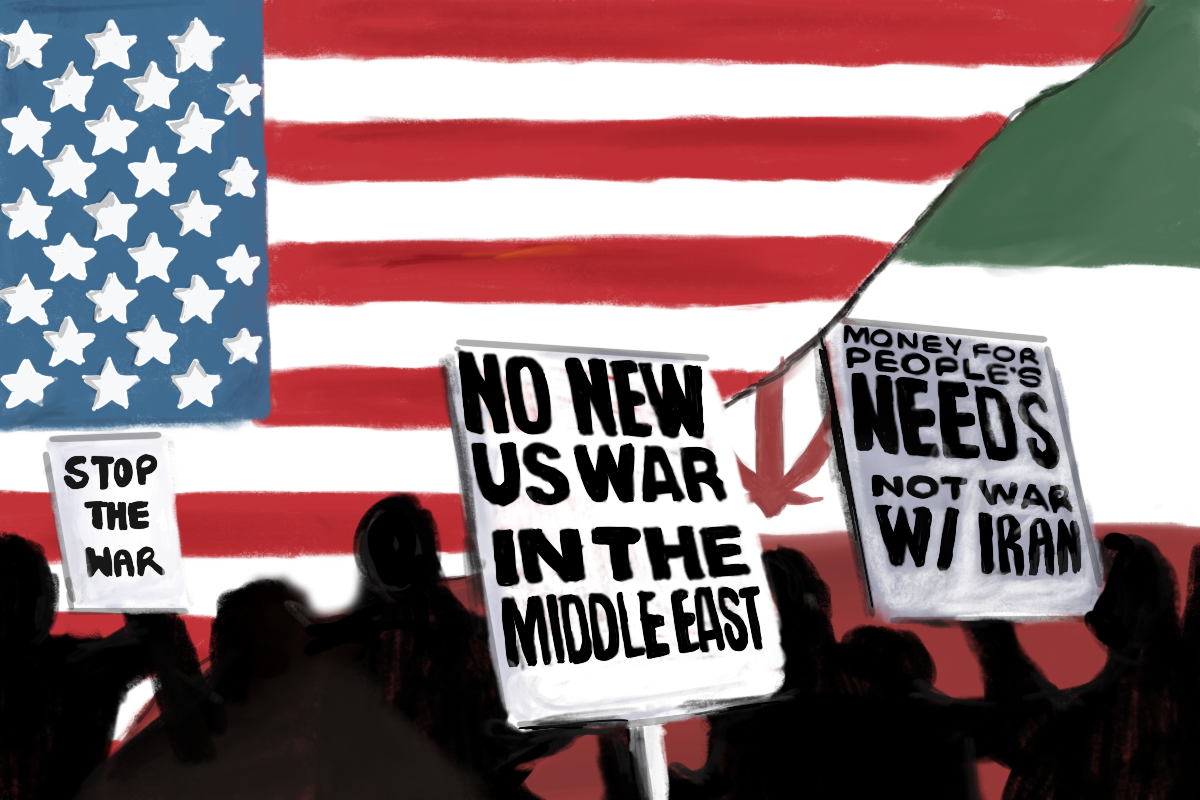
Soon after, Trump hinted at several other countries of strategic interest to the administration, including Colombia, Cuba, Mexico, Iran and Greenland as countries of strategic interest. His comments regarding Greenland’s natural resources and national security importance in particular raised concern in Denmark, which maintains sovereignty over the territory and is a fellow member of NATO.
Trump’s first year was also shaped by renewed scrutiny regarding his involvement with the late financier and sex criminal Jeffrey Epstein following the release of new court documents. Although Trump has not been charged with wrongdoing, the disclosures revived broader discussions about political accountability. At a more local level, President Trump garnered attention during the New York City mayoral elections. He originally backed former governor Andrew Cuomo, labeling then-candidate and democratic socialist Zohran Mamdani as a “100% communist lunatic.” His rhetoric took a sharp turn after a meeting with Mamdani in the White House, describing him as “really great” and that the new mayor could do a “very good job.”
As President Trump completes his first year in office, his presidency remains deeply polarizing. Supporters cite decisive leadership and rapid policy action, while critics continue to raise concerns about civil rights, international stability, and the expansion of executive power. With several years remaining in his term, the direction set during Trump’s first year is likely to continue shaping national debate.